
Last Updated: November 23, 2026
Quick Summary
Technical rain shells are worth the price when you need reliable waterproof protection during sustained rain and high-output activity, but they are poor value if you only walk to the shops. Most people get the best balance of waterproofing, breathability and durability between £100 and £250, while above £250 you pay for weight savings and specialist features most walkers never use.
- Four things drive shell price: the membrane, the face fabric, the construction method and the seam sealing.
- Lab waterproof and breathability ratings are measured on new fabric, so they describe a best case.
- Three-layer construction is the most durable and most expensive option, while 2.5-layer shells typically cost £250 or less.
- Below £100 you make real compromises, and above £250 you pay for features most walkers never use.
- If you wear a shell fewer than 20 times a year, a mid-range 2.5-layer jacket at £100 to £150 is the rational buy.
Table of Contents
- Are technical rain shells worth the price?
- What makes a technical rain shell more expensive
- Waterproof ratings and breathability: what the numbers actually mean
- Two-layer, 2.5-layer and three-layer construction compared
- How much should a good rain jacket cost?
- Budget rain jacket vs premium rain jacket: where the extra money goes
- Finding the best technical waterproof jacket for your activity
- How to reproof a waterproof jacket and extend its life
- Choosing your next rain shell at Top on the Top
- Frequently Asked Questions
Are technical rain shells worth the price?
Technical rain shells are worth the price when you need reliable waterproof protection during sustained rain and high-output activity, and they are poor value if you only walk to the shops. That is the honest answer, and it explains why the market splits so sharply between £45 windbreakers and £300 shells.
A rain shell is a waterproof outer layer built from a face fabric bonded to a waterproof membrane, with taped seams and a durable water-repellent finish. The membrane blocks rain while letting sweat vapour escape. Everything else, from hood adjustment to pit zips, exists to manage that balance.
Testing breadth tells you how crowded this category is. OutdoorGearLab's rain jacket testing reports testing more than 50 rain jackets before selecting 13 top picks for hiking, biking and climbing. Plenty of options, wildly different price points.
Below, we break down what actually drives cost, where the money goes, and when a cheaper jacket is the smarter buy.

What makes a technical rain shell more expensive
Four things drive the price of a technical shell: the membrane, the face fabric, the construction method and the seam sealing. A premium membrane costs more per metre than a basic coating. A tougher face fabric adds weight and cost. Three-layer lamination is slower to build than a two-layer design.
Construction matters too. Every taped seam adds labour. Pit zips, adjustable hoods and water-resistant zips all add components. A shell with six pockets and a helmet-compatible hood costs more to make than a simple smock.
If you want to judge these details yourself, our guide on how to judge clothing quality walks through stitches, zips and fabric hand-feel.
Waterproof ratings and breathability: what the numbers actually mean
A hydrostatic head rating measures how much water pressure a fabric resists before leaking, expressed in millimetres. Breathability ratings work in the opposite direction: they measure how much vapour escapes, usually in grams per square metre over 24 hours.
Here is the catch most shoppers miss. Lab ratings are measured on new fabric. A jacket that has lost its DWR treatment still keeps rain out, but the outer fabric wets out and stops breathing. The numbers on the swing tag describe a best case.
Windproofing comes free with most membranes, which is why shells feel warmer than their weight suggests. Moisture management is the real test: on a steep climb, a shell that cannot vent vapour leaves you clammy even in light rainfall.
Two-layer, 2.5-layer and three-layer construction compared
Three-layer construction bonds the membrane to both an outer face fabric and an inner protective scrim. It is the most durable option and the most expensive. Two-layer designs hang a separate mesh lining inside the shell, which is comfortable but bulkier.
The 2.5-layer construction sits between them. It uses a printed or sprayed inner coating instead of a full lining. BetterTrail's guide to shell construction describes 2.5-layer shells as generally lighter, flexible and quiet, and notes they typically cost £250 or less.
| Construction | Weight | Durability | Typical Price Band | Best For |
|---|---|---|---|---|
| Two-layer | Heaviest | Good | Budget to mid | Everyday use, casual walking |
| 2.5-layer | Light | Moderate | Mid | Travel, light hiking, packability |
| Three-layer | Light to mid | Highest | Premium | Sustained rain, climbing, skiing |
The trade-off is abrasion resistance. A 2.5-layer shell packs small but the inner coating wears faster under a heavy pack. Three-layer wins on lifespan.
How much should a good rain jacket cost?
A good rain jacket costs between £100 and £250 for most people, and that range covers the sweet spot of waterproofing, breathability and durability. Below £100 you make real compromises. Above £250 you are paying for weight savings and specialist features most walkers never use.
CNN Underscored's rain jacket testing lists a jacket at $100 and calls it a strong option for its price, while noting it is less durable and less comfortable than the Patagonia Torrentshell. That is the honest shape of the budget tier: it works, but you feel the difference over time.
Three price tiers, in plain terms:
- Budget, under £100: water-resistant rather than fully waterproof, basic coatings, fewer taped seams. Fine for city rain and short walks.
- Mid, £100 to £250: proper membranes, taped seams, decent breathability. The value sweet spot for hiking and travel.
- Premium, £250 and up: three-layer laminates, top-tier membranes, helmet-compatible hoods, minimal weight. Worth it for sustained exposure.
Budget rain jacket vs premium rain jacket: where the extra money goes
The extra money in a premium shell buys lifespan, not magic. A budget jacket and a premium jacket both keep you dry in a shower. The premium one keeps you dry on hour six, in wind, with a pack on, and still looks intact after five seasons. But that summary hides the specific mechanisms that separate the two tiers, and those mechanisms are what you are actually paying for.
Start with the membrane.
REI's rain jacket guidance notes that more technical shells suit hiking and multisport activities where breathability is essential, and contrasts them with less technical, heavier jackets. That is the real dividing line: activity level, not budget. A commuter who walks ten minutes to the station does not need a 20,000mm three-layer laminate. A hillwalker out for six hours in driving rain does.
Our breakdown of quality outdoor gear versus fashion explains what actually lasts when the novelty wears off. The honest conclusion is that the extra money buys specific, testable improvements, membrane quality, full seam sealing, abrasion-resistant face fabric, hood engineering and repairability, and those improvements only pay off if you actually expose the jacket to the conditions they were designed for.
Finding the best technical waterproof jacket for your activity
Match the shell to your activity and climate, not to the price tag. A climber needs abrasion resistance and a helmet-compatible hood. A commuter needs packability and a cut that works over a coat. A weekend hiker needs breathability and pit zips.
Use this decision framework:
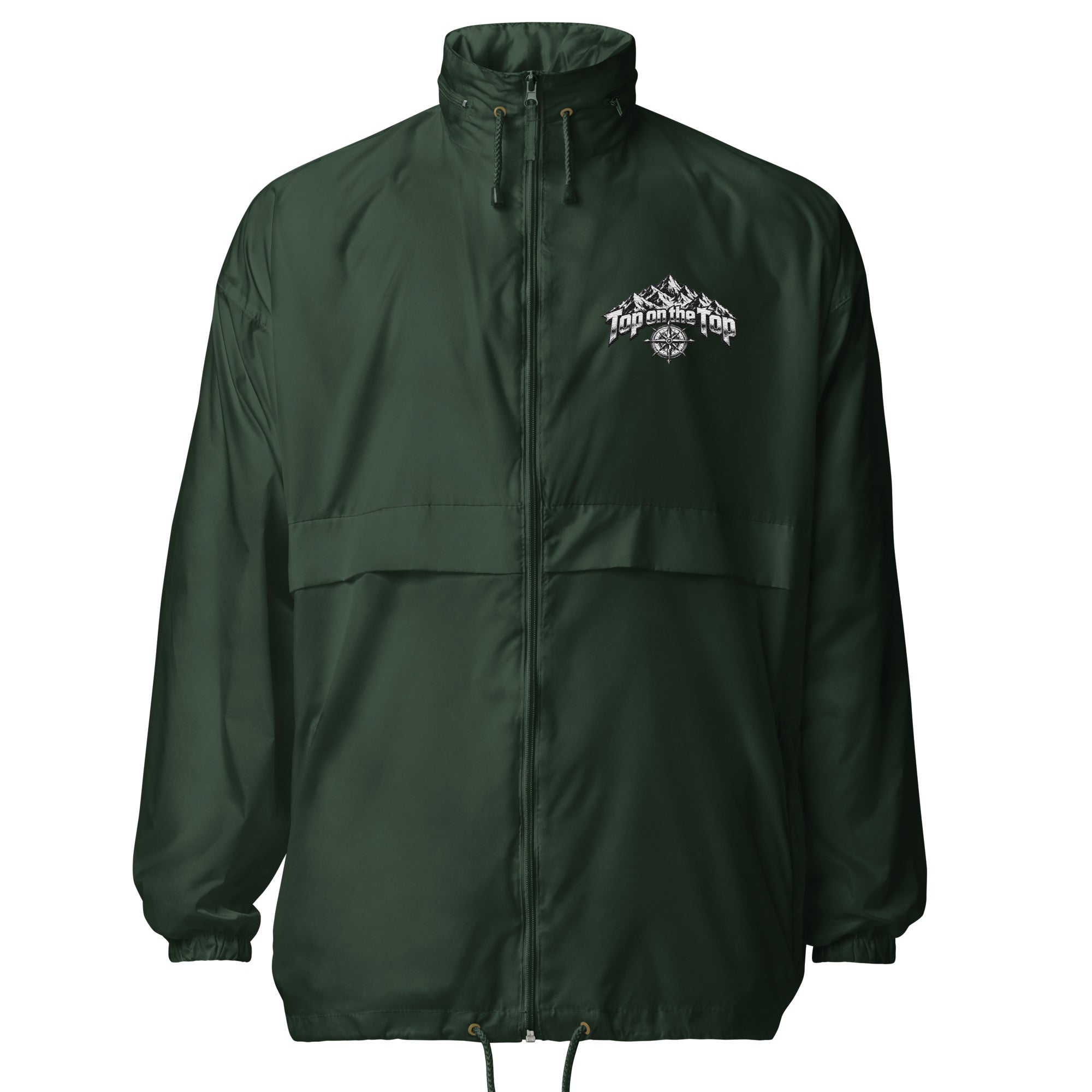
- City commuting and short walks: a water-resistant windbreaker is enough. Our Unisex windbreaker nuter is water-repellent, lightweight and cut for everyday wear at £45.
For hiking specifically, our piece on whether durable mountain apparel is worth it covers how to weigh these trade-offs.
How to reproof a waterproof jacket and extend its life
Reproofing restores the DWR treatment that makes rain bead and roll off the face fabric. Wash the jacket first with a technical cleaner, not detergent, then apply a spray-on or wash-in DWR product and tumble dry on low to reactivate the finish.
Full instructions are in our guide on how to clean technical apparel without ruining waterproofing.
Choosing your next rain shell at Top on the Top
The value question comes down to cost per wear, which depends on how often you will actually wear the jacket and what you are asking it to do.
Start with frequency. If you wear a shell fewer than 20 times a year, occasional city rain, a couple of walks, the odd festival, a mid-range 2.5-layer jacket at £100 to £150 is the rational buy. It will handle steady rain, packs small, and the cost per wear stays low because you are not paying for durability you will never test. A premium three-layer shell at £300 only makes financial sense when you are wearing it weekly or more, in conditions that stress the membrane and seams.
Next, match the shell to the rain you actually stand in. A commuter cycling 20 minutes each way needs packability, a cut that works over a coat, and reflective details more than a 20,000mm hydrostatic head. A weekend hiker in mixed weather needs taped seams, pit zips and a hood that adjusts. A multi-day hillwalker or climber in sustained rain needs three-layer construction, a tougher face fabric and repairability.
Climate matters as much as activity. In British hill weather, wind-driven rain, sudden squalls, temperatures hovering around 5°C, breathability and hood engineering matter more than the headline waterproof rating. In drier, colder conditions, a lighter shell with good ventilation is often more comfortable than a heavier expedition piece. In warm, humid rain, pit zips and a breathable membrane beat a higher hydrostatic head every time.
Here is a practical decision framework:
- City commuting and short walks: a water-resistant windbreaker is enough. Our Unisex windbreaker nuter is water-repellent, lightweight and cut for everyday wear at £45.
At Top on the Top, we build mountain-inspired layers for people who move between trails and city streets. Our Men's windbreaker space pairs water-resistant fabric with a breathable mesh lining, elastic cuffs and a zippable front at £89. The Unisex windbreaker nuter adds a drawstring hood, two zipped pockets and OEKO-TEX certified fabric at £45.
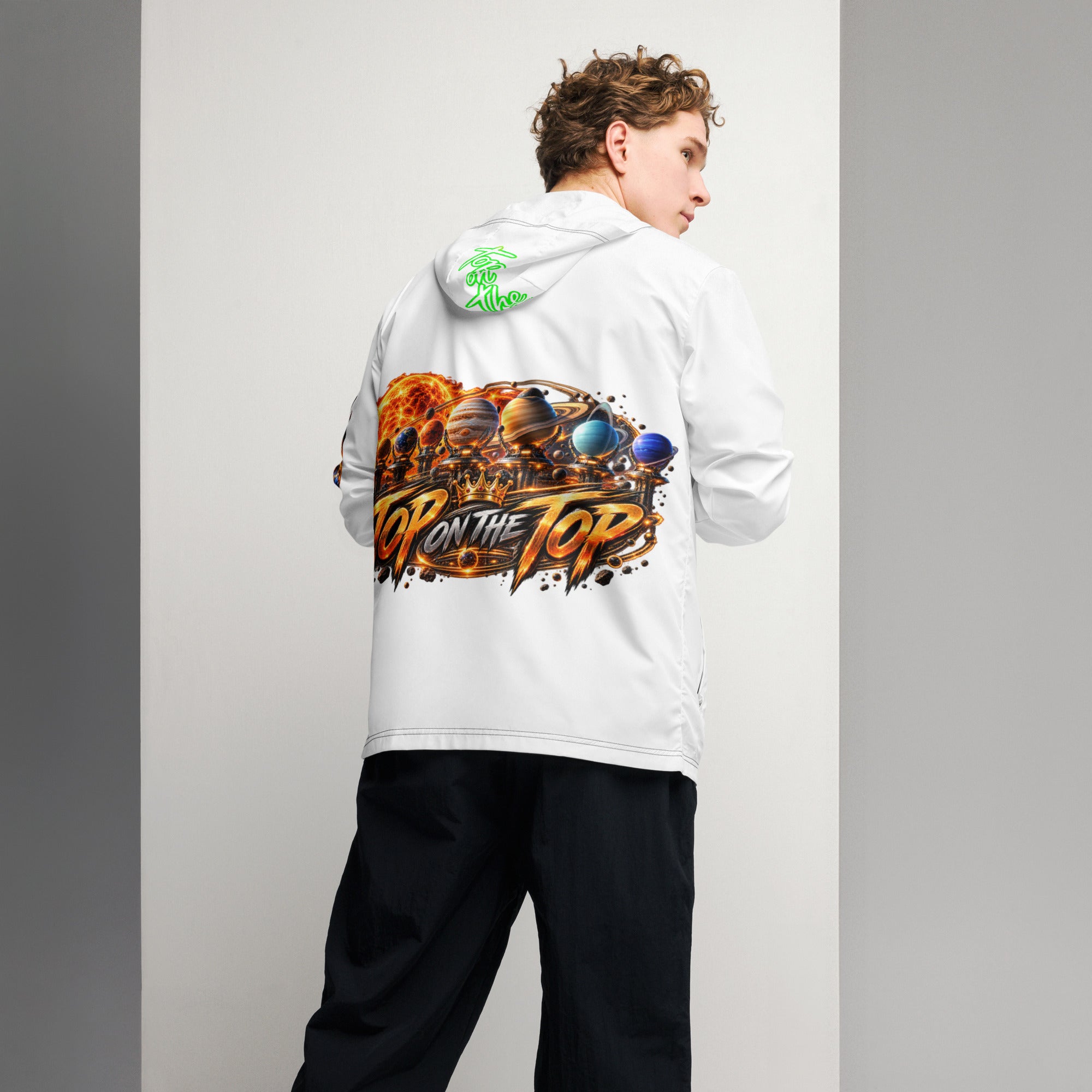
Neither is an expedition shell, and we will not pretend otherwise. What they are is honest everyday weather protection with a design you will actually wear. If you want a broader case for spending more, read our take on when technical outdoor gear is worth the investment. The key is to buy for the rain you actually stand in, not the rain you imagine you might encounter.
Frequently Asked Questions
Are expensive rain jackets more waterproof?
Not necessarily. A higher price often buys better breathability, lighter weight and more durable face fabric rather than a higher waterproof rating. Many mid-range jackets already use a waterproof membrane and taped seams that keep out heavy rain. The difference shows up in how well the jacket manages sweat during high-output activity and how long it lasts. Look at the hydrostatic head and breathability rating, not just the price tag, when comparing technical rain shells.
How long should a waterproof jacket last?
A well-made technical rain shell can last five to ten years with proper care, though the DWR treatment will need refreshing every season or two. Durability depends on the face fabric, seam sealing and how often you wear it. Abrasion from backpack straps and repeated washing slowly wear down the outer coating. Reproofing the jacket and washing it with a technical cleaner keeps water beading and extends its working life.
Can you reproof a rain shell when it stops beading water?
Yes. When water stops beading and the fabric starts to soak through, the DWR treatment has worn off, not the waterproof membrane. Wash the jacket with a technical cleaner, then apply a spray-on or wash-in reproofing product and tumble dry on low to reactivate it. This restores the surface tension that makes rain bead and roll off. Reproofing every season is cheaper than replacing a technical rain shell.
When is a technical shell overkill?
If you mostly walk in the city, commute or take short weekend hikes in mild rain, a water-resistant windbreaker or a basic rain jacket will handle it. Technical shells earn their price in sustained rain, high-output activity and exposed mountain weather where breathability and packability matter. For everyday use, a lighter jacket with a water-repellent finish is often more comfortable and costs far less.
What is the best technical waterproof jacket for hiking?
The best technical waterproof jacket for hiking balances a waterproof membrane, taped seams and pit zips so you can vent heat on steep climbs. Look for a helmet-compatible hood, a trim fit that layers over a fleece, and a hydrostatic head of at least 10,000mm. Breathability matters as much as waterproofing on high-output hikes, so check the breathability rating and choose a 2.5-layer or three-layer shell that packs small.
