
Last Updated: 11 November 2026
Quick Summary
Durable mountain apparel for hiking is worth it because longevity is decided by fabric weight, weave density, seam construction and reinforced high-wear panels, not the label or price. Tightly woven fabrics generally resist abrasion better than loose weaves, and flatlock or reinforced seams help spread load.
- Tightly woven fabrics generally resist abrasion better than loose weaves on rough terrain.
- Flatlock or reinforced seams help spread load across durable mountain apparel.
- The three-layer system pairs a wicking base, warm mid-layer and windproof outer.
- Choose moisture-wicking synthetic or merino for base layers and avoid cotton on skin.
- Check the size chart against a garment you own before ordering mountain clothing.
Table of Contents
- What Makes Mountain Apparel for Hiking Durable
- The Three-Layer System for Hiking: Base, Mid and Outer
- What to Wear When Hiking in Summer and Your Hiking Equipment List
- Frequently Asked Questions
What Makes Mountain Apparel for Hiking Durable
Durable mountain apparel for hiking survives abrasion, weather and washing. Fabric weight, weave density, seam construction and reinforced high-wear panels decide longevity, not the label or price.
Tightly woven fabrics generally resist abrasion better than loose weaves, and flatlock or reinforced seams help spread load. Soft hand-feel does not always indicate durability, since looser weaves can pill and tear on rough terrain.
See 7 signs technical outdoor gear is worth the investment and how to clean technical apparel without ruining waterproofing.
The Three-Layer System for Hiking: Base, Mid and Outer
The three-layer system is a base layer that moves sweat away from skin, a mid-layer that traps warmth, and an outer layer that blocks wind and rain.
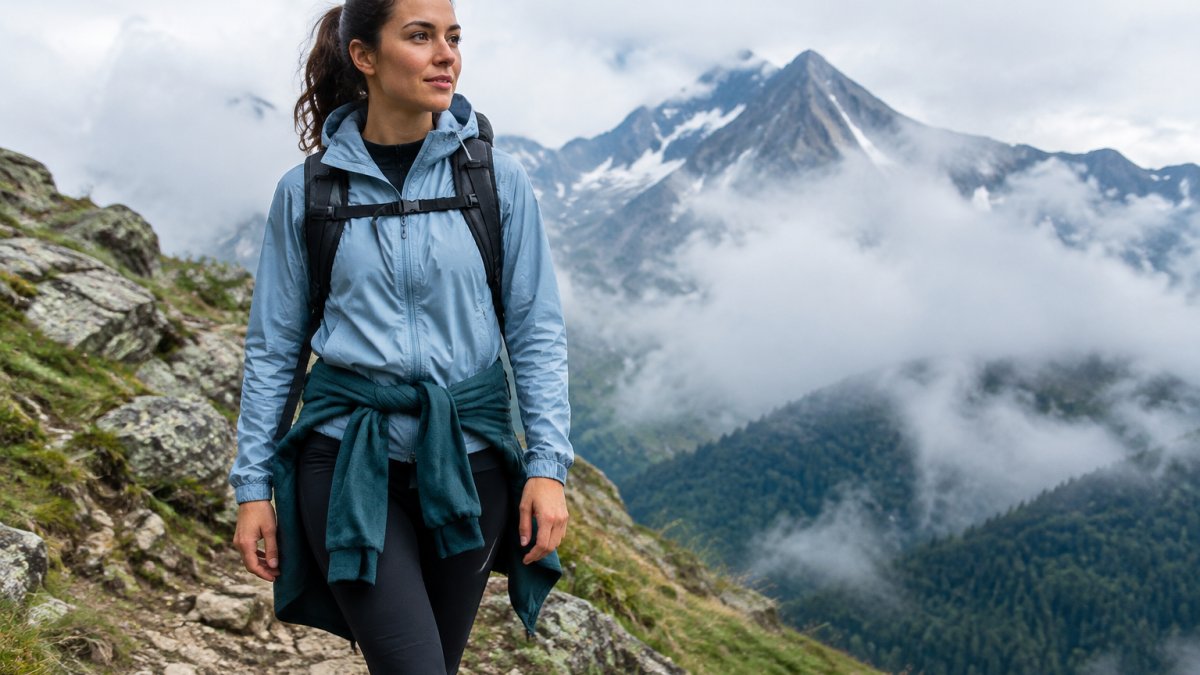
Base layer. Choose moisture-wicking synthetic or merino; cotton holds water and dries slowly. Mid-layer. Insulation is chosen for warmth and how it performs when damp. Outer layer. A windproof or water-resistant jacket protects against wind and rain.
New to layering? Our beginner's guide to casual hiking gear covers the system. The Unisex windbreaker nuter is a lightweight, water-repellent outer with a drawstring hood, two zipped pockets and elasticated cuffs.
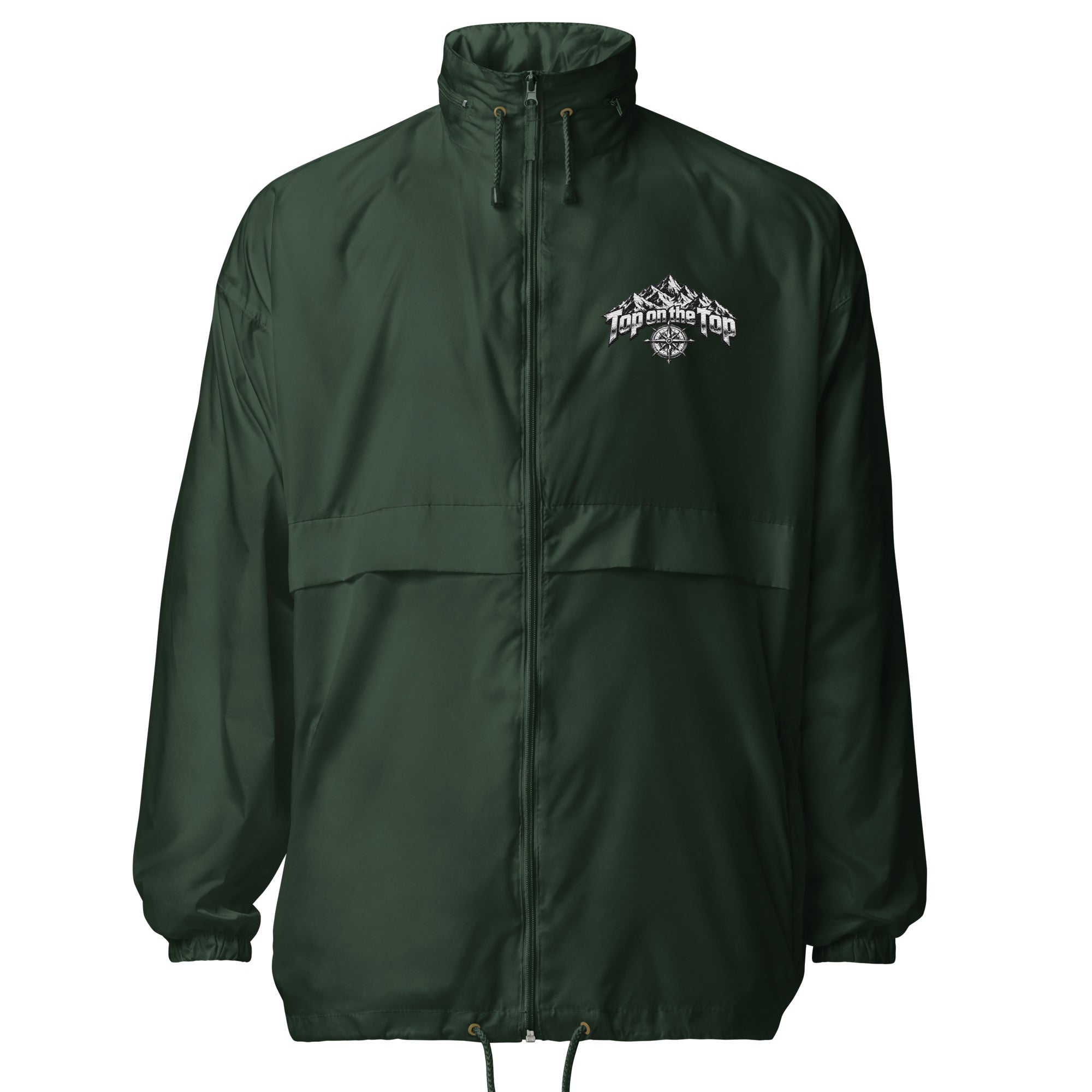
The three-layer system pairs each layer with a clear job on the hill.
| Layer | Job | Best choice |
|---|---|---|
| Base layer | Moves sweat away from skin | Moisture-wicking synthetic or merino |
| Mid-layer | Traps warmth | Insulation chosen for warmth when damp |
| Outer layer | Blocks wind and rain | Windproof or water-resistant jacket |
What to Wear When Hiking in Summer and Your Hiking Equipment List
Summer hiking clothing is about sun, sweat and sudden wind: a wicking base layer, light trousers or shorts, a packable windbreaker, a brimmed hat and a rain shell anyway.
Choose polyester and polyamide for quick-drying layers and merino blends for odour control; avoid cotton on skin. Pack socks, sun hat, sunscreen, water, snacks and a light insulating layer.
The Men's windbreaker space uses water-resistant fabric with a breathable mesh lining.
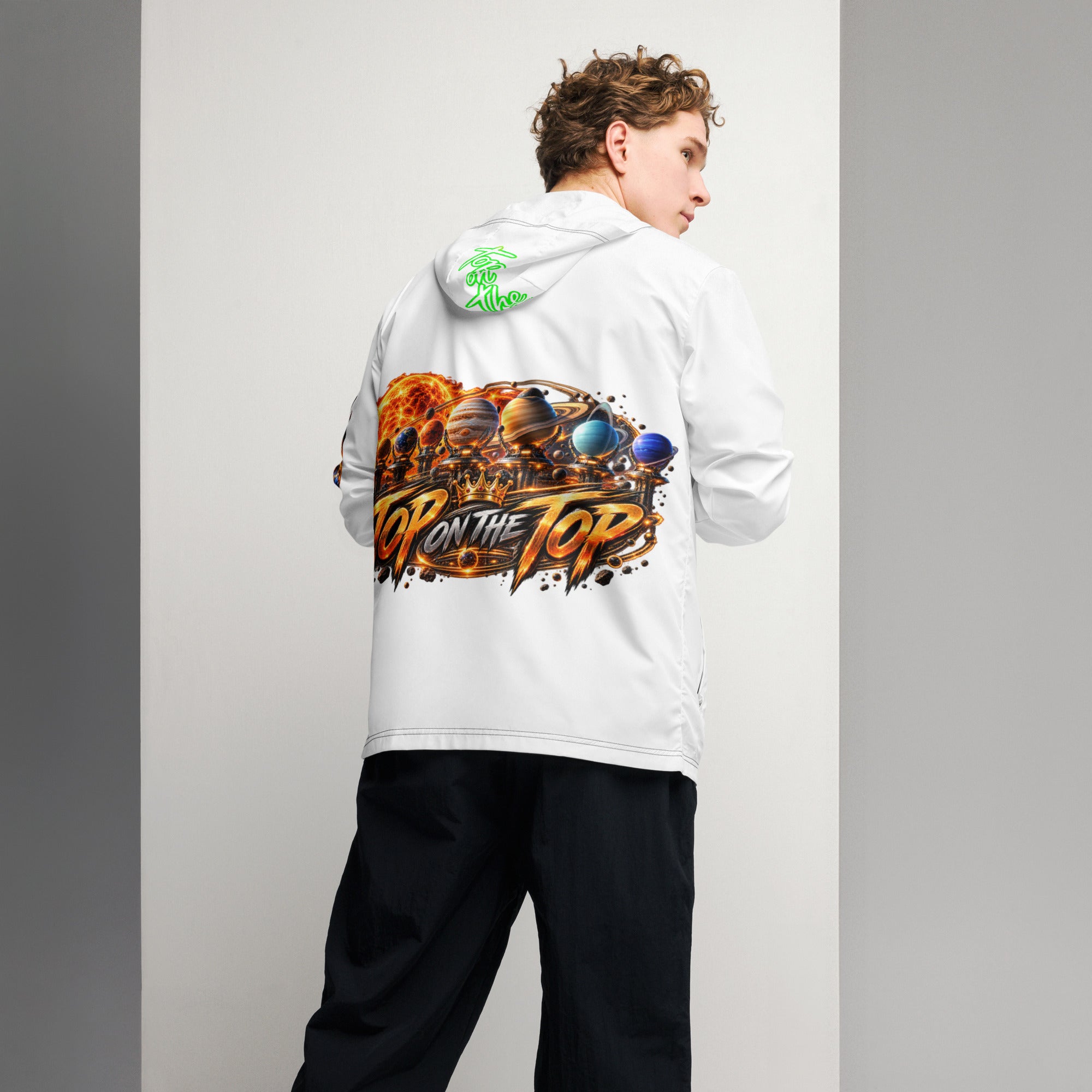
Mountain clothing should allow freedom of movement without pulling. Check the size chart against a garment you own before ordering.
Durable mountain apparel is a decision about cost per use, not about spending the most. Buy fewer pieces, check the seams and fabric density, layer properly, and wash technical kit the way the care label asks. Top on the Top builds mountain-inspired clothing that works on the trail and in the city, with lightweight windbreakers, breathable linings and water-repellent finishes across the collection. Browse the range and find the pieces that earn their place in your pack.
Frequently Asked Questions
How can I tell whether hiking clothes are durable?
Check the fabric weight and construction rather than the marketing copy. Heavier polyamide and polyester weaves resist abrasion better than thin knits, and reinforced panels at the knees, seat and shoulders extend life where wear happens first. Look at seam construction, since well-made seams hold up better under pack straps. Check whether a water-repellent finish is listed explicitly on the product page.
What is the three-layer system for hiking?
The three-layer system for hiking pairs a moisture-wicking base layer against your skin, an insulating mid-layer for warmth, and a waterproof or windproof outer layer for protection. Each layer does one job, so you add or remove pieces as conditions change. A lightweight windbreaker works as the outer shell on mild, breezy days, while a hardshell takes over in sustained rain. This setup keeps you dry from sweat and weather at the same time, which matters on long days on the trail when temperatures swing.
What should I wear when hiking in summer?
For summer hikes, choose quick-drying, breathable fabrics in lighter weights and pack a windbreaker even when the forecast looks clear. Mountain weather changes fast, and a lightweight shell adds little bulk to your pack. Hiking trousers or shorts should allow freedom of movement, and hiking socks matter as much as footwear for blister prevention. Add a hat, rain mitts for exposed ridges and a spare base layer. The full hiking equipment list should stay under a few kilos so you keep mobility on rugged terrain.
