
Quick Summary
The best sustainable fabrics for activewear depend on the activity. Recycled polyester dries quickly and suits hard sessions, organic cotton is softer for everyday and low-intensity wear, and TENCEL Lyocell offers a closed-loop processing story with a soft hand-feel.
- Recycled polyester held 62.2% of sustainable activewear revenue in 2024, according to Athleisure Industry Statistics 2024-2026.
- Recycled polyester suits hard sessions because it dries faster and keeps moisture away from the body.
- Organic cotton is more comfortable for low-intensity wear, but it absorbs moisture and dries slowly.
- Recycled polyester still sheds microfibres in the wash, so cold, short cycles and line-drying help.
- Check the specific fibre name and certification, such as GOTS, GRS or OEKO-TEX, rather than trusting a general sustainable label.
Table of Contents
- Why Fabric Choice Matters More Than the Label Suggests
- Recycled Polyester: Strong, Quick-Drying and Dominant in the Market
- Organic Cotton, Bamboo and TENCEL: Natural Fibres Compared
- Eco-Friendly Hiking Clothes for Women: Matching Fabric to Activity
- Lifecycle Impact, Microfibre Shedding and Certifications Explained
- Our Picks From the Top on the Top Range, Compared by Fabric and Price
- Choosing Your Next Piece: Start With the Activity and the Fibre
Last Updated: 17 November 2026
Recycled polyester made up 62.2% of revenue in the sustainable activewear market in 2024, according to Athleisure Industry Statistics 2024-2026. That figure tells you where the market has landed, but it does not tell you which fabric will suit your session, your climate or your budget. This guide from Top on the Top looks at the best sustainable fabrics for activewear in 2026 by what each one does well, where it falls short and what it costs to wear.
Quick Picks:
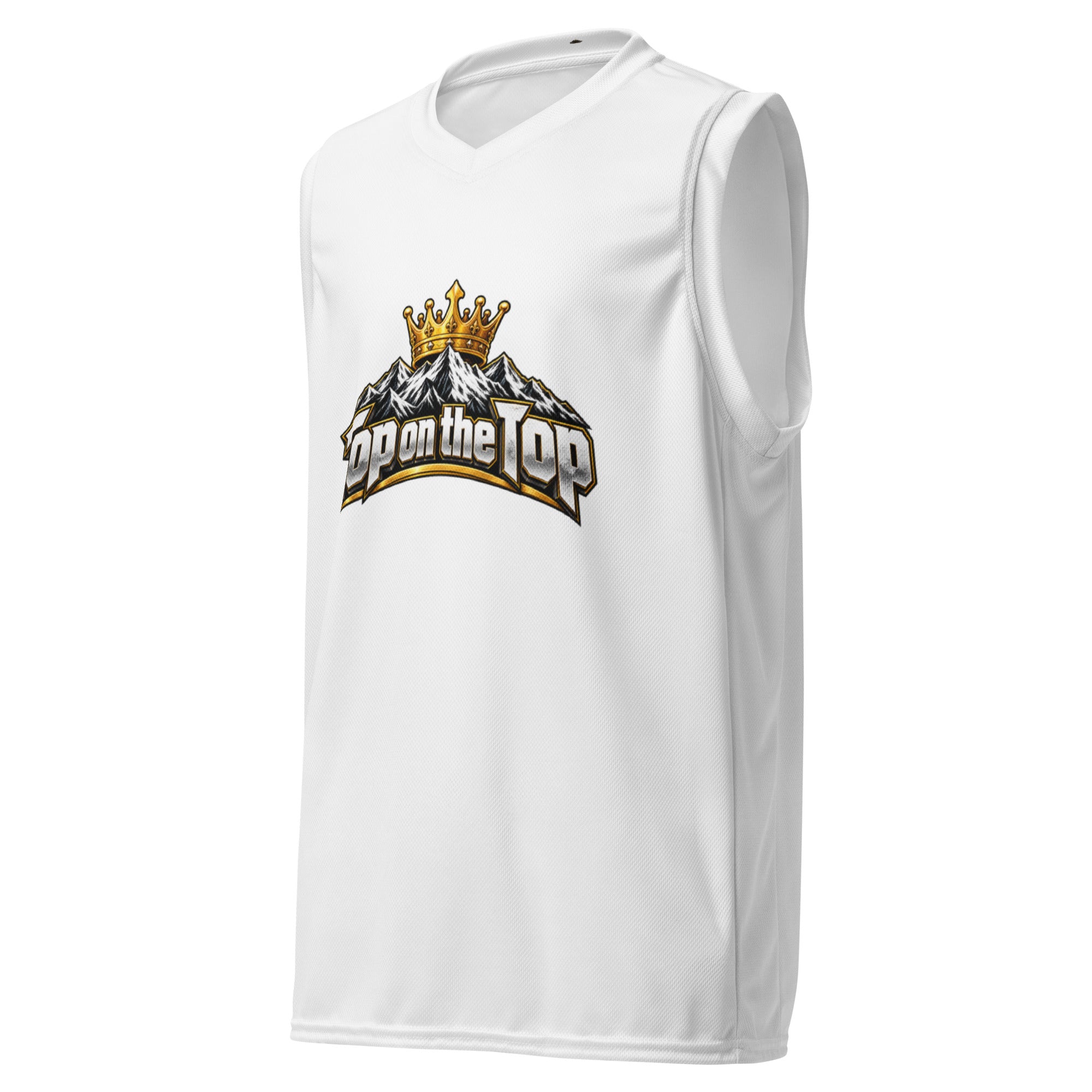
- Best all-round for sweaty sessions: Recycled polyester, the fabric behind our recycled unisex basketball jersey
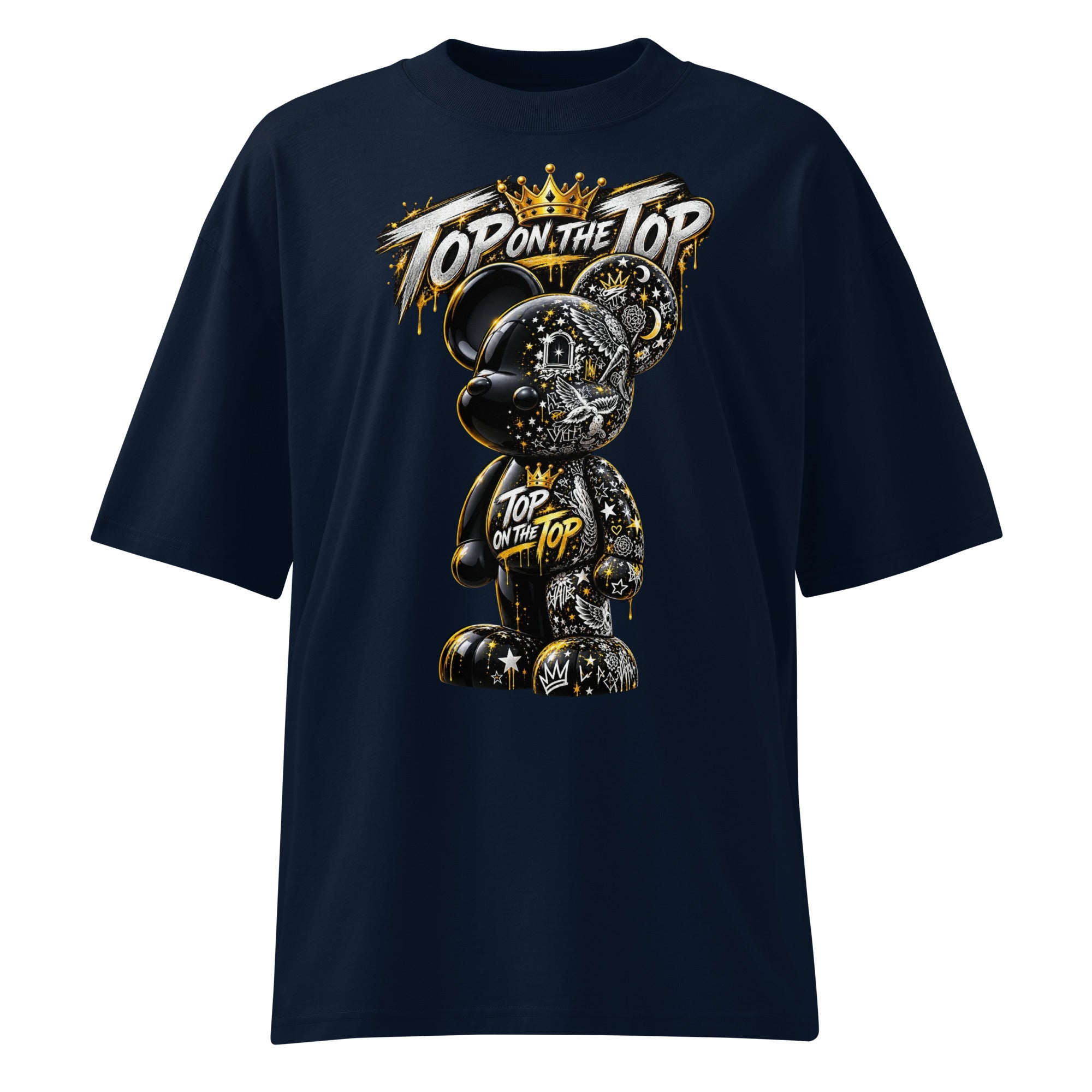
- Best natural option for everyday wear: Organic cotton, used in our organic oversized high neck t-shirts
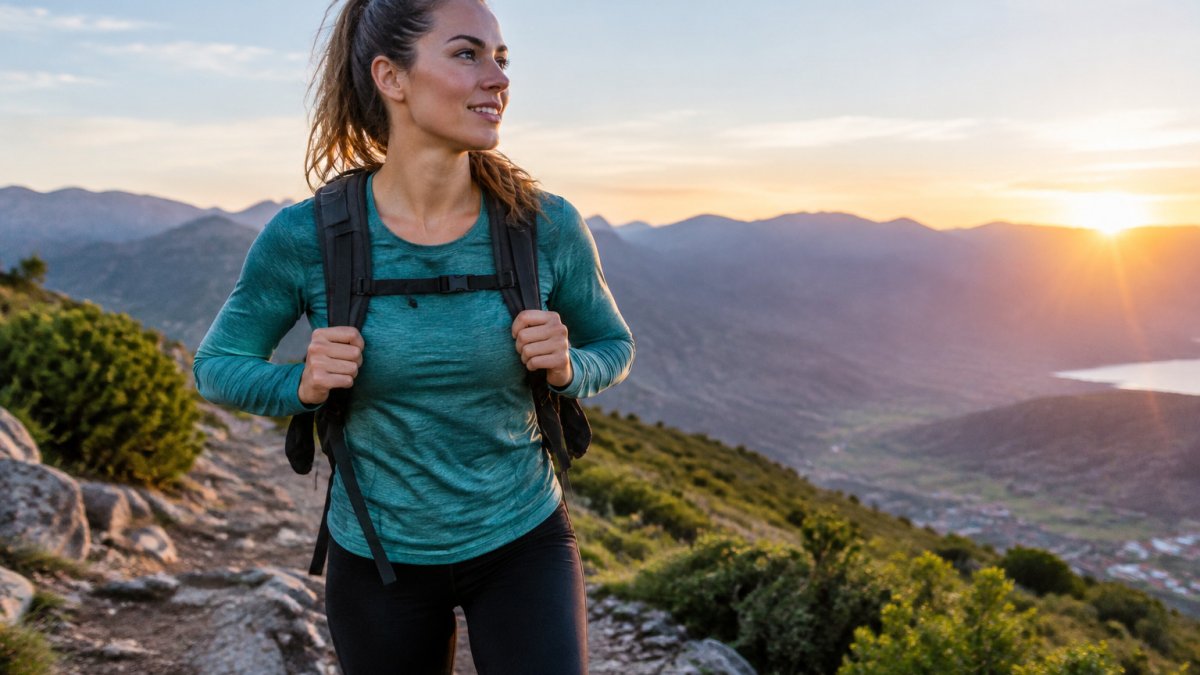
- Best for a warm, dry feel on a hike: A recycled-polyester layer under a natural-fibre top, depending on the route
Why Fabric Choice Matters More Than the Label Suggests
"Sustainable" on a swing tag covers a lot of ground. A garment can use recycled fibre, be grown without synthetic pesticides or certified against chemical limits, and still behave badly on a steep trail in July. The fibre decides how a piece breathes, dries, stretches and holds its shape after a wash.
Two questions matter more than the label: what does the fibre do when you sweat hard, and what does it leave behind when you wash it? The sections below answer both, starting with the fabric that dominates the market.
Recycled Polyester: Strong, Quick-Drying and Dominant in the Market
Recycled polyester is the default choice for technical sustainable activewear, and its popularity is easy to understand. It is the largest segment in the category, with Athleisure Industry Statistics 2024-2026 putting its share of revenue at 62.2% in 2024.
Its strengths are practical. Our recycled unisex basketball jersey is made from 100% recycled polyester with two-way stretch and moisture-wicking properties, and it carries UPF50+ protection.
What to watch: recycled polyester is still a synthetic fibre, and Geneva Environment Network, Environmental Sustainability in the Fashion Industry notes that synthetic fibres produced from fossil fuels shed microplastics. Recycling reduces the virgin plastic used, but it does not stop shedding in the wash.
Recycled polyester vs organic cotton for workout gear
For a hard session, recycled polyester usually wins on drying speed. Organic cotton wins on softness, breathability at rest and a natural feel against the skin. If you train in a heated room or sweat heavily, choose the synthetic. If you move gently or wear the piece day to day, cotton is the more comfortable choice.
Organic Cotton, Bamboo and TENCEL: Natural Fibres Compared
Natural fibres appeal to buyers who want a plant-based fabric or find synthetics clammy. The three you will see most in sustainable activewear are organic cotton, bamboo and TENCEL.
Organic cotton is soft, breathable and comfortable at rest, but it absorbs moisture rather than wicking it away. Our organic oversized high neck t-shirts use 100% organic combed ring-spun cotton at 200 g/m², with GOTS and OCS certification for organic content.
Bamboo is usually sold as soft and breathable, and it often is.
TENCEL is a branded lyocell fibre, generally produced in a closed-loop process that recovers most of the solvent, a meaningful advantage over conventional viscose, though it does not make the finished garment low-impact by itself.
- Organic cotton: best for comfort and low-intensity wear; weakest for drying speed and weight when wet.
- Bamboo: best for softness and drape; weakest for process transparency and performance evidence.
- TENCEL Lyocell: best for a closed-loop processing story and a soft hand-feel; weakest for abrasion resistance and pilling.
Charlie on Travel, 12 Best Sustainable Activewear Brands UK 2026 makes a qualitative comparison of natural-fibre activewear without performance-test data, so treat brand claims as a starting point rather than proof.
Watch out: a fabric described as "bamboo" may be bamboo viscose rather than lyocell, and the two have different processing impacts and performance profiles. Look for the specific fibre name, not just the plant.
Eco-Friendly Hiking Clothes for Women: Matching Fabric to Activity
Hiking asks for a different mix of properties than the gym: a fabric that handles temperature swings, sheds sweat on climbs and keeps you comfortable when you stop for lunch.
For a fast ascent, a recycled-polyester base layer dries quickly and keeps weight low. For a slow walk or cool morning, an organic cotton layer feels better against the skin. Many people combine the two: a synthetic layer next to the body, with a cotton top over it.
If you are browsing for eco hiking clothes for women, check the fibre content before the price. The fibre tells you more about performance than any sustainability badge.
Lifecycle Impact, Microfibre Shedding and Certifications Explained
Most sustainable-activewear articles treat a recycled or natural label as proof of sustainability. It is not. A fair comparison has to look at the whole lifecycle: fibre production, processing, how long the garment lasts, how often it is washed, and what happens at end of life.
Comparing impact across the full lifecycle
- Fibre production: recycled polyester reduces demand for virgin fossil-based plastic but is still synthetic. Organic cotton avoids synthetic pesticides, but cotton cultivation is water-intensive in many regions. Merino wool is renewable and biodegradable, but sheep farming has land-use and animal-welfare considerations.
- Processing: lyocell's closed-loop solvent recovery is a genuine advantage over conventional viscose. Conventional cotton processing and dyeing are chemically intensive, which is why certifications such as OEKO-TEX and GOTS matter.
- Durability: polyester and recycled polyester resist abrasion and hold shape well, extending useful life. Natural fibres may feel better but can wear faster in high-friction areas. A garment that lasts twice as long usually has a lower impact per wear, even if its production impact was higher.
- Washing and end of life: synthetics shed microfibres in the wash, and most textiles are not widely recycled today. Natural fibres biodegrade more readily, but elastane blends complicate both recycling and biodegradability.
There is no single "best" fibre. The best choice depends on the activity, how often you will wear the piece, and how you will care for it.
Microfibre shedding: what is established and what is not
It is well established that synthetic fabrics shed microfibres during washing, and that these fibres can reach waterways. Less settled is the exact quantity shed by different fabrics, how much reaches the environment, and how much harm it causes. Estimates vary widely between studies and test methods, so treat precise shedding figures with caution.
What you can act on is care. Washing on a cold, short cycle reduces fibre loss compared with long, hot cycles. A filter bag or washing-machine filter captures some fibres before they drain. Line-drying instead of tumble-drying reduces abrasion and fibre loss. Washing less often is one of the simplest levers.
Watch out: a recycled-polyester garment still sheds microfibres. Recycling reduces the virgin plastic input; it does not make the fibre non-shedding.
What certifications do and do not verify
Certifications are useful, but each covers a specific claim. None measures the full environmental cost of a garment.
- GOTS (Global Organic Textile Standard): verifies organic content and sets chemical and wastewater criteria across processing. It does not measure a garment's carbon or water footprint.
- OCS (Organic Content Standard): verifies the organic content of a product. It is narrower than GOTS on processing criteria.
- GRS (Global Recycled Standard): verifies recycled content and includes social and environmental criteria. It does not prove the garment is low-impact overall.
- OEKO-TEX Standard 100: tests finished textiles for harmful substances. It is a chemical-safety check, not a sustainability rating.
A certified piece is better documented and safer on the specific claim it covers. It is not automatically low-impact.
Care, repair and longevity
The most reliable sustainability lever is garment lifespan. A well-made piece worn for years usually has a lower impact per wear than a cheap one replaced every season. Look for reinforced seams, a fabric weight that suits your activity, and a fit that stays put.
Care for the piece: wash cold and short, line-dry where possible, and repair small holes and loose seams before they become replacements. For stretch fabrics, avoid high heat, which degrades elastane and shortens useful life. Cost per wear is a more honest measure than the price on the tag.
Watch out: a heavy recycled-cotton blend can dry more slowly than a thin synthetic, so check fabric weight and fibre blend rather than assuming a recycled label means quick-drying performance.
Our Picks From the Top on the Top Range, Compared by Fabric and Price
We build our range around the fabrics covered above. The table below compares our current pieces by fibre, fit and starting price.
| Product | Fibre | Key properties | Starting price |
|---|---|---|---|
| Recycled unisex basketball jersey TOP | 100% recycled polyester | Moisture-wicking, two-way stretch, UPF50+ | £35.00 |
| Unisex essential eco hoodie | 100% organic cotton | GOTS and OCS certified, 350 g/m², regular fit | £61.30 |
| Unisex organic oversized high neck t-shirt | 100% organic combed ring-spun cotton | GOTS and OCS certified, 200 g/m², oversized fit | £35.00 |
| Unisex Tank Top gym | 100% combed and ringspun cotton | 142.40 g/m², side-seamed | £25.00 |
| Flip straw water bottle | BPA-free Tritan Renew, 50% recycled material | 739 ml, leak-proof | £44.85 |
Starting price
The recycled basketball jersey is made from recycled polyester with moisture-wicking properties. The organic cotton t-shirts and eco hoodie are made from organic cotton. The gym tank top sits between the two, with a lighter cotton-based build for lower-intensity work.
Our organic oversized t-shirts are sized for a bigger fit in the European market, so customers from that region should order a size down. The eco hoodie sizes correspond to a smaller size in the US market, so US customers should order a size up.
Choosing Your Next Piece: Start With the Activity and the Fibre
Start with what you will be doing in the piece, then check the fibre. A hard session calls for recycled polyester. Low-intensity wear, layering and everyday comfort suit organic cotton. Mixed use, such as hiking, often calls for both.
Check the certifications that matter for your concern: GOTS or OCS for organic content, GRS for recycled content, OEKO-TEX for chemical testing. Then wash cold and short to keep the piece performing longer.
Ready to find your fabric? Browse the Top on the Top range and choose the piece that fits how you move.
